Skip to content

admin

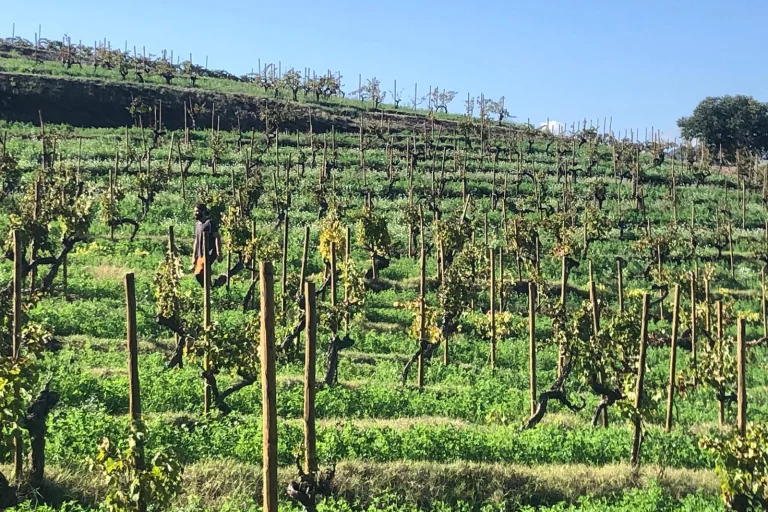
How a vineyard can save us from wildfires. The story of fire wine.

  • by

In recent weeks, we have become familiar with the unsettling technical vocabulary surrounding forest fires: firestorms, “zombie” fires, and pyrocumulonimbus clouds. Climatic conditions are becoming more extreme, and the incidence of fires is on the

biotruf2.jpeg

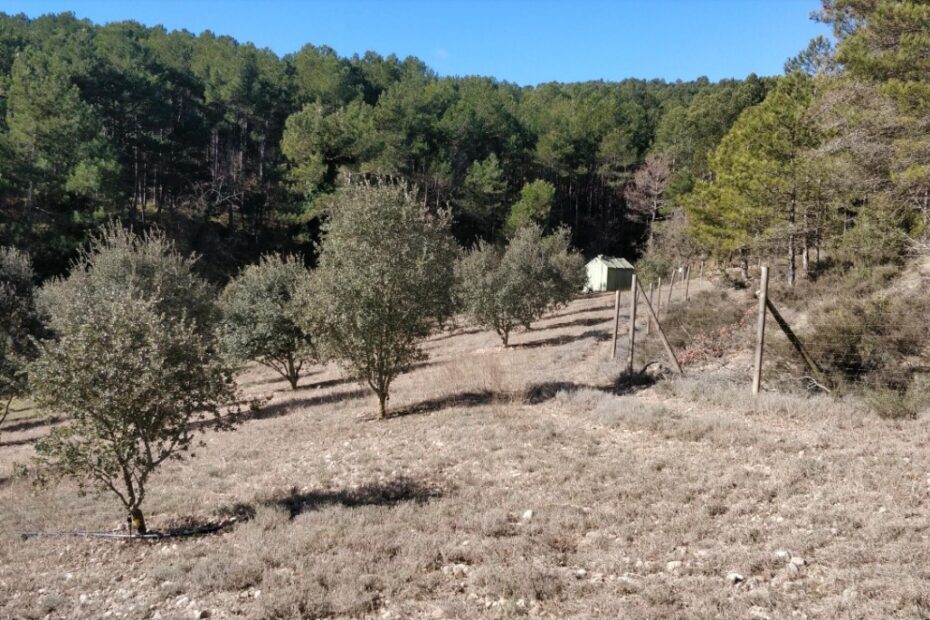
Truffle cultivation and landscape: a FireProduct solution in Ribera Salada

  • by

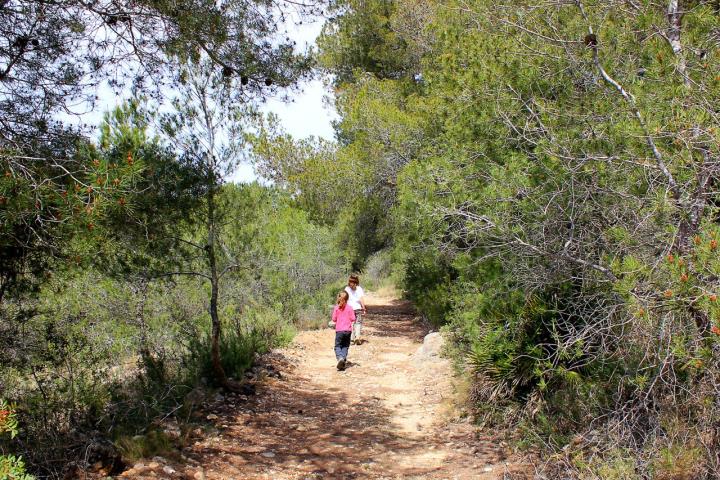
Biotruf has recently joined the FIRE PRODUCT RESILIENT LANDSCAPE initiative, the complementary label to FIRE WINE that certifies other permanent crops for their role in active land management and wildfire risk reduction. BioTruf is a plantation of holm oak truffle trees located in Lladurs, near Pont del Clop (Ribera Salada). This site is particularly busy during the summer season, especially due to the presence of natural pools (“gorgs”). A visitor reception area helps present the project and serves as an important educational tool. The wildfire risk is heightened by the geographical configuration of the site, located at the bottom of a valley within continuous vegetation. The potential spread of fire is a concern, especially given the limited awareness among visitors—often families with children of all ages—who seek cool areas during peak risk periods. A potential ignition could have significant environmental impacts as well as consequences for human safety.
FIRE WINE in The New York Times

  • by

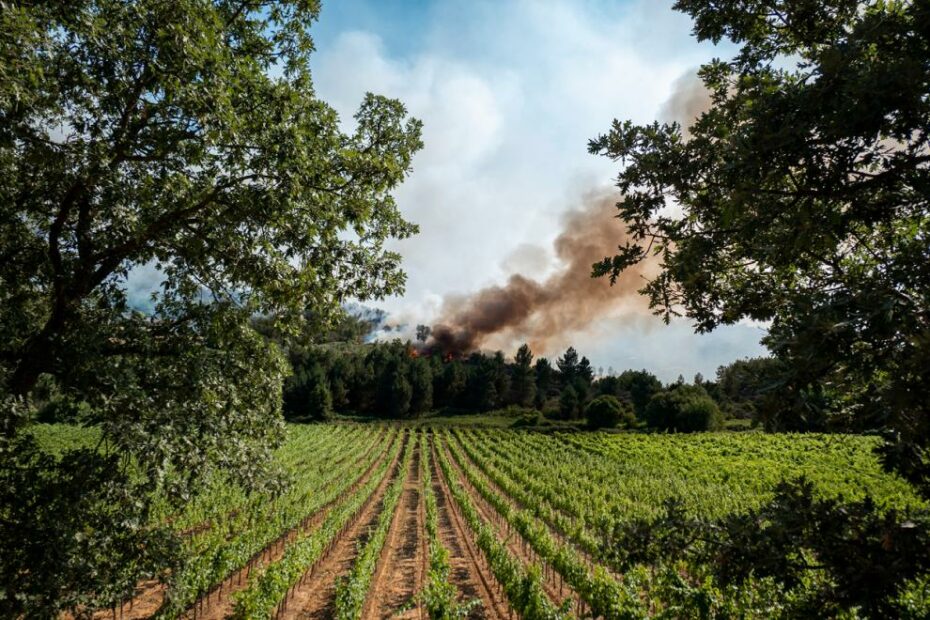
Flames engulfed a forest in Catalonia, Spain, ripping across a wooded expanse and heading straight for hundred of acres of pines and underbrush. But before it reached them, the inferno encountered Celler Abadal, an 800-year-old

1

Wildfire risk : a Guide for Planners 

  • by

Landscape managers and planners must face new challenges related to climate change, particularly the increasing risk of forest fires. To address this situation, a practical guide has been developed to integrate fire prevention and mitigation into territorial and landscape planning.

universitat4

AI mapping of vineyard fire damage

  • by

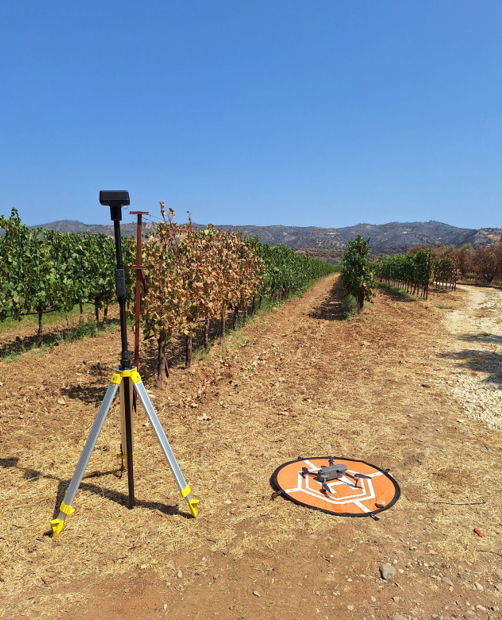
Within the framework of the SOSVITI project (https://sosviti.egemap.eu/), which focuses on sustainable land management and resilience in viticulture, wildfires are a growing concern. This study presents a rapid method for assessing fire damage in vineyards using drone imagery and artificial intelligence. This method enables faster decision-making and more effective recovery strategies in fire-affected vineyard landscapes across Europe.

monterrei4

“Agroforestry Districts” Developed by Communal Lands in Galicia and Portugal – FIRE WINE Certification of the Martín Códax Winery

  • by

Common lands are a legacy of the Roman Empire, reinterpreted during the Middle Ages (Chouquer, 2019), and progressively disappearing over the centuries. However, this form of collective and solidarity‑based land management continues to exist in many countries—especially in mountain regions—and since the late 20th century it has been reconsidered as a promising model for the future.

garraf1

Three Wineries of the Garraf, FireWine Pioneers in a Fire Shaped Landscape

  • by

The Garraf Massif is one of the Mediterranean landscapes most severely affected by forest fires. The major fires of 1982 and 1994 drastically transformed the territory: much of the holm oak woodland disappeared, while garrigue, scrubland and highly flammable grasslands expanded. Added to this are the abandonment of farmland, the spread of pine forests, persistent drought, and a growing urban and tourist pressure that increases the risks associated with scattered housing.

Vineyards as wildfire prevention

  • by

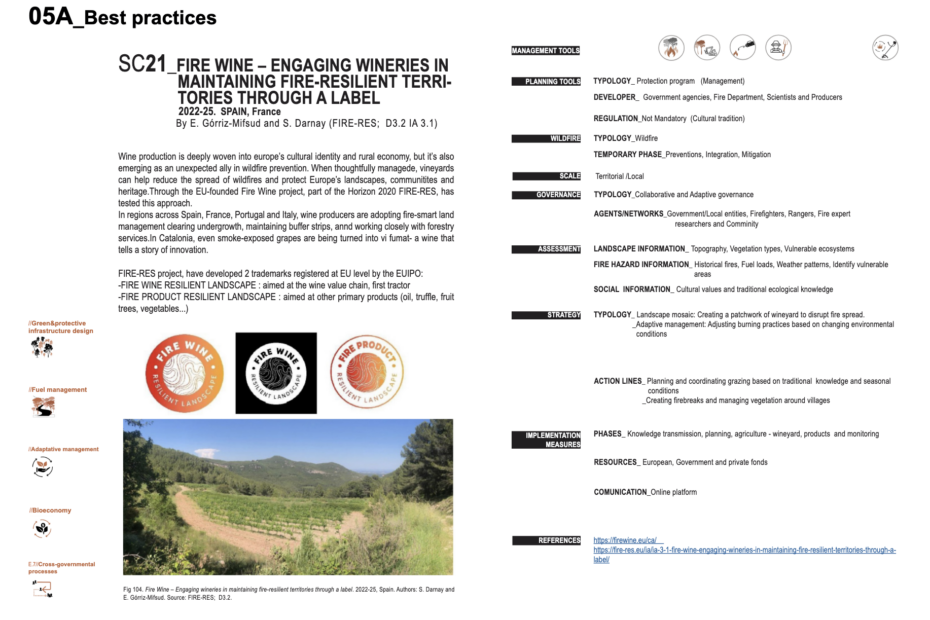
he Fire Wine project, part of the EU-funded FIRE-RES initiative under Horizon 2020, is testing how vineyards can help reduce fire risk while also benefiting producers. Started in Catalonia, the project now includes wine regions in Spain, France, Portugal and